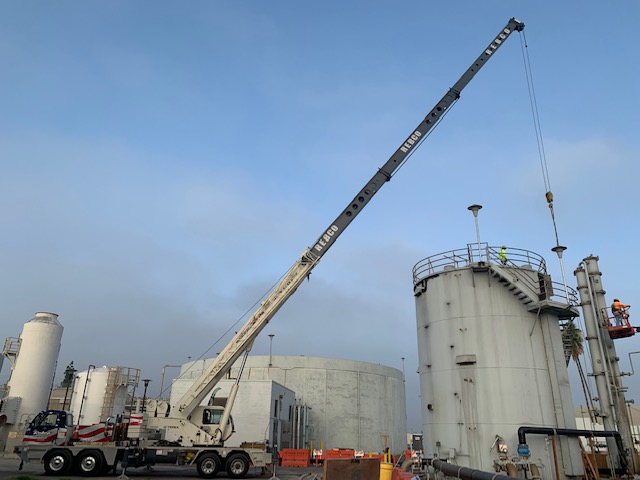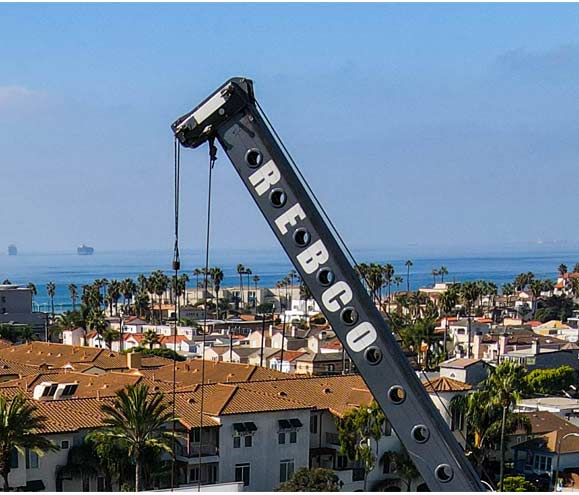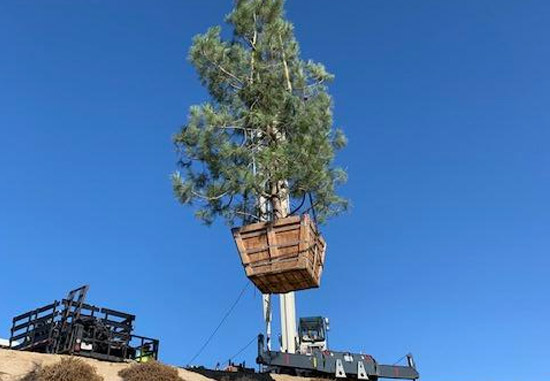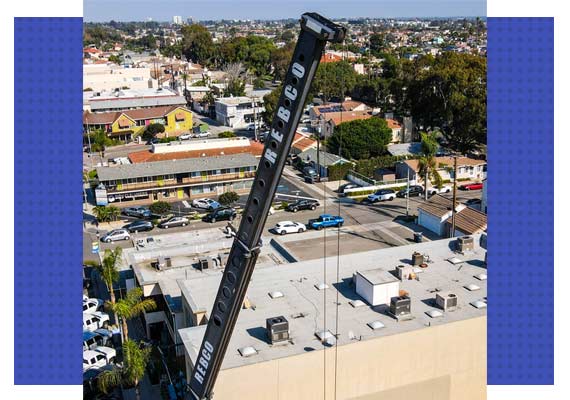
Choosing lifting gear can feel confusing when you are new to crane work. A spreader bar for overhead crane lifting helps keep a load stable, balanced, and safer during a lift. It separates slings so that heavy or wide items are not squeezed, bent or pulled at unsafe angles. This matters for tanks, steel beams, machines, pipes, and other large items. In this guide, REBCO Crane and Rigging explains the basics in simple language. You will learn what a spreader bar does, when to use one, and what to check before planning your next overhead crane lifting project safely with confidence.
What is a spreader bar for overhead crane lifting?
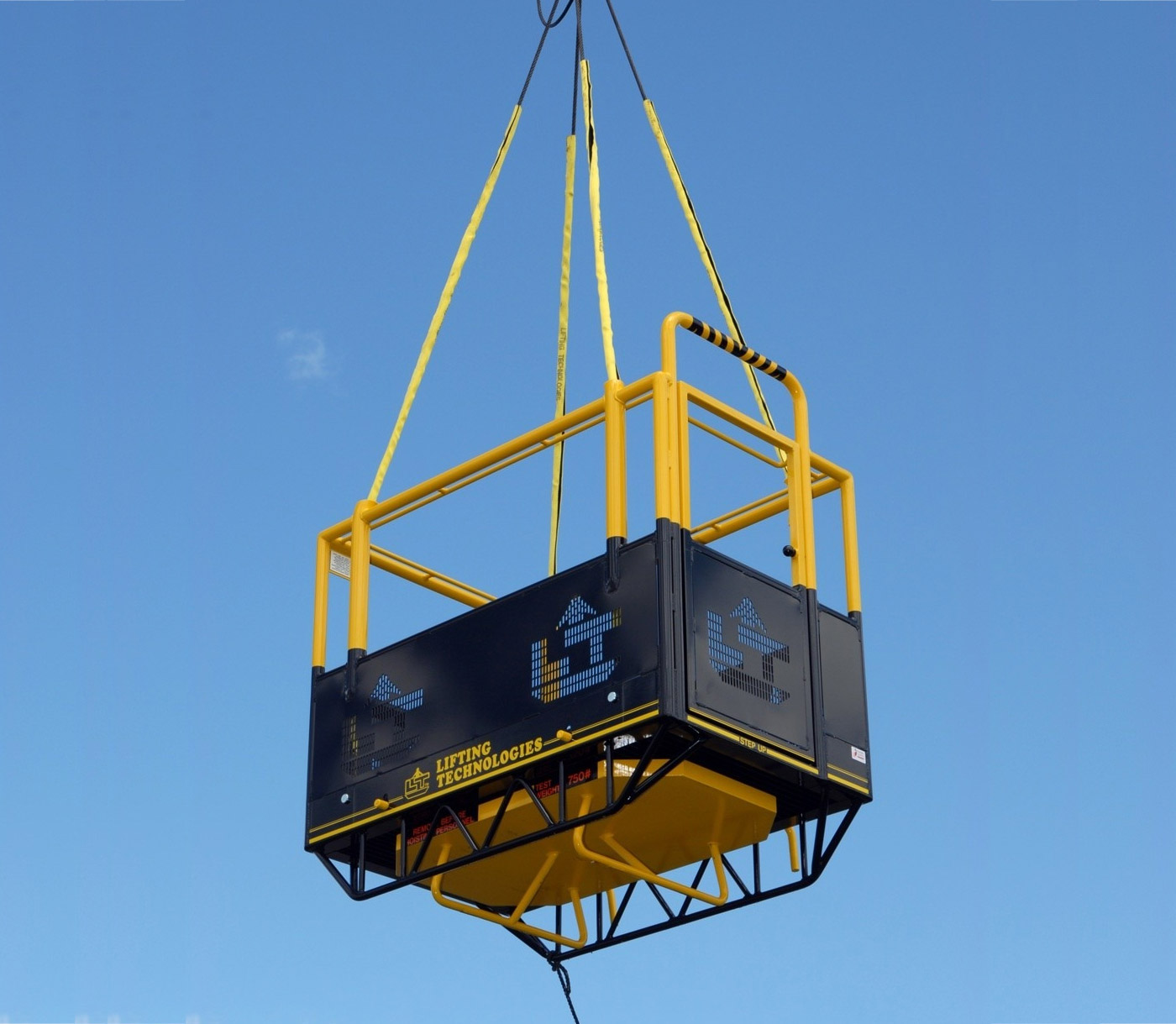
A spreader bar is a strong beam used below the crane hook. Slings connect from the hook to the bar, then from the bar to the load.
The bar spreads the sling points apart. This keeps the load level and reduces side pressure. A spreader bar for overhead crane work is useful when one hook point cannot control the load safely.
Why is the right spreader bar important?
The right bar shares weight across several lift points. It can reduce sling tension, protect the load, and make the lift easier to control.
The wrong bar can cause tilting, spinning, bending or extra force on the rigging. This can delay the job and create safety risks.
When should you use a spreader bar?
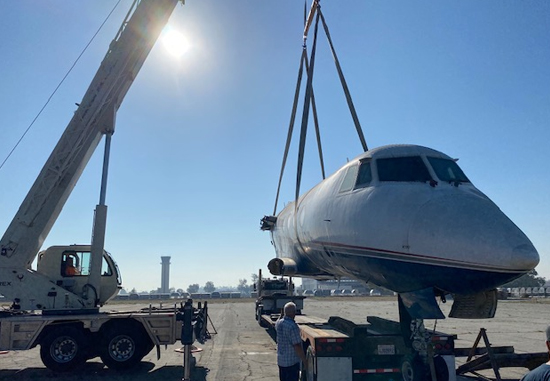
Use a spreader bar when the load is long, wide, heavy, delicate, or hard to balance. It also helps when the load has two or more lifting points.
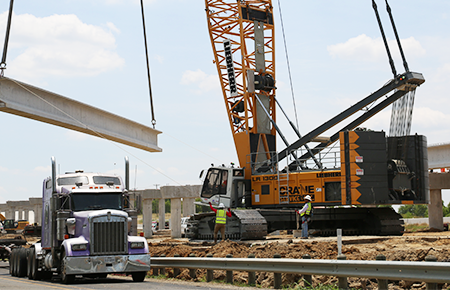
Common examples include tanks, pipes, steel beams, machinery, frames, and large construction parts. If angled slings could bend or crush the item, a spreader bar may be better.
How do you check load weight and size?
Start with the real load weight. Do not guess. Use tags, drawings, shipping papers, or verified records.
Next, check the load length, width, shape, and lifting points. The bar, crane, slings, shackles, hooks, and hardware must all be rated.
What should beginners remember?
The full lifting system matters. One strong part does not make the whole lift safe.
How do sling angles affect the lift?
Sling angles change the rigging force. A low angle can create high tension, even when the load does not look very heavy.
A spreader bar helps keep slings more vertical. This can reduce tension and protect the load. A trained rigger should review the angle first.
What type of spreader bar should you choose?
Different jobs need different bars. The best choice depends on the load, lift points and site space.
Fixed spreader bar
A fixed bar has one set length. It works well for repeat lifts.
Adjustable spreader bar
An adjustable or telescopic bar can change length. It is useful for different load sizes.
Modular spreader bar
A modular bar uses sections and can be built in different lengths.
Pipe lifting bar
A pipe lifting bar is made for pipe or round material.
How do job site conditions affect the choice?
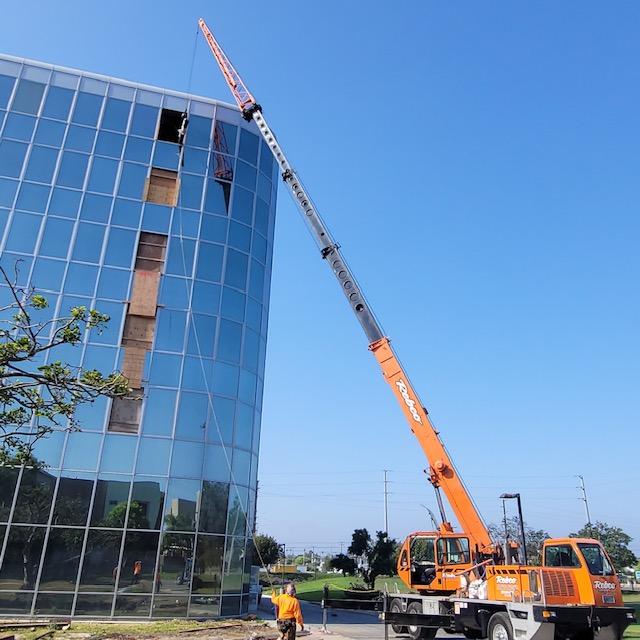
Site space matters. Some lifts happen in tight areas, low buildings, crowded yards, or near equipment.
Check headroom, crane reach, lift path, landing area, and floor space. If you need crane service in Orange County or crane rental Orange County, share these details early.
What should you ask before hiring a crane company?
Ask if the company can review the load, inspect lift points, provide rigging support, and plan the lift. Also, ask about trained riggers and insurance.
Many people search for lifting companies near me in Southern California when they need fast help. Distance matters, but safety experience matters more. For Inland Empire projects, crane service Ontario may help.
What safety checks should happen before lifting?
Inspect the spreader bar, slings, shackles, hooks, and crane. Confirm the load weight and lifting points. Review the lift path and communication signals.
Keep people away from the suspended load. Do not stand under it. A short safety meeting can prevent serious mistakes.
Who can help with spreader bar planning?
For heavy, oversized, or delicate loads, get expert help early. REBCO Crane and Rigging can help review the lift, choose safe rigging, and support overhead crane projects.
- Main number: 951-318-1610
- Office: 951-244-2783
- Email: john@rebcocraneandrigging.com
Frequently Asked Questions
Q: What is the main purpose of a spreader bar?
A: It spreads lifting points apart, balances the load, and reduces sling pressure.
Q: Is a spreader bar the same as a lifting beam?
A: No. A spreader bar spreads sling forces. A lifting beam carries the load more directly.
Q: Can one spreader bar work for every lift?
A: No. The right bar depends on weight, size, lift points, sling angle and site space.
Q: Who should choose the spreader bar?
A: A trained rigger, crane company, or lift planner should choose it.
Q: When should I call a professional?
A: Call REBCO Crane and Rigging when the load is heavy, oversized, fragile, or hard to balance.